The Allure of Risk: Understanding High Rollers
The psychology of high rollers in casino gambling is a fascinating area of study. These individuals often exhibit a unique relationship with risk, embracing the thrill of uncertainty that comes with placing substantial bets. For many high rollers, the excitement of possibly winning big often outweighs the fear of losing. This mindset is rooted in various psychological factors, including the desire for adrenaline rushes and the thrill associated with high-stakes gambling. In a similar vein, those looking for entertainment may find great joy in online interac casinos, where the excitement can be experienced without the need for a physical presence.
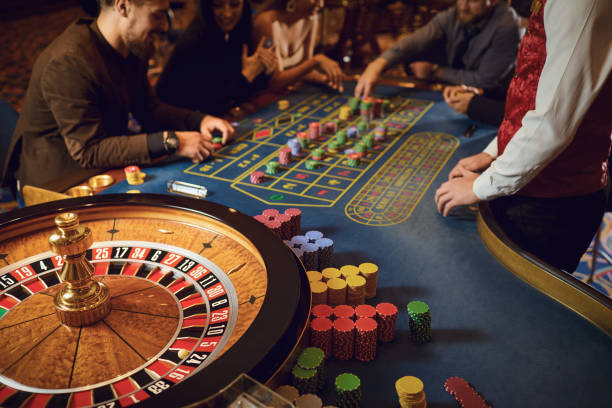
Moreover, high rollers often seek validation and recognition through their gambling activities. The social aspect of gambling in elite circles can enhance their self-esteem and social status. They may view their capacity to gamble large sums as not only a financial capability but also as a form of personal achievement and identity reinforcement.
The Role of Emotion in Gambling Behavior
Emotions play a pivotal role in the gambling experience. High rollers frequently engage in gambling as a means of escape from everyday stresses or as a way to cope with underlying emotional issues. The initial high that accompanies a win can create a cycle of positive reinforcement, where the emotional thrill encourages repeated behavior. However, this cycle can also lead to problematic gambling behaviors if not managed carefully.
Furthermore, the emotional highs and lows experienced during gambling can have profound psychological effects. Winning can lead to feelings of euphoria, while losing can result in despondency or frustration. The need for emotional regulation can drive high rollers to chase losses, trying to regain that lost emotional high, further complicating their gambling habits.
Social Influences: The Peer Factor
Social dynamics heavily influence the behavior of high rollers. Many high stakes gamblers operate within networks that encourage and celebrate high-level betting. The camaraderie found in these circles can create a sense of belonging and drive individuals to stake higher amounts than they would otherwise consider. The influence of peer pressure can be significant, with individuals often feeling compelled to match or exceed the gambling behaviors seen in their social environments.
In addition, casinos often build environments that stimulate social interaction, combining luxury with a party atmosphere, which can further entice high rollers. These social environments serve to amplify emotions, and the social validation gained from others can significantly enhance the gambling experience.
The Impact of Marketing and Casino Design
Casinos strategically design their environments to cater to high rollers, creating immersive experiences that heighten the appeal of gambling. From luxury lounges to personalized services, every detail is tailored to cater to the high stakes players, making them feel special and valued. The allure of exclusivity can be a compelling motivator for these gamblers, encouraging them to engage more deeply in the gaming experience.
In addition to the physical environment, marketing strategies employed by casinos often target high rollers directly through exclusive invitations and tailored offers. These marketing tactics tap into the psychology of desire, encouraging high rollers to chase experiences that promise not just financial returns, but also social and emotional rewards.
Support and Resources for Responsible Gambling
Understanding the psychology behind casino gambling, especially among high rollers, is crucial for promoting responsible gambling practices. Awareness of the emotional and social drivers can help individuals recognize when their gambling behavior might be crossing into problematic territory. Various resources and support systems can provide guidance and help to those who may struggle with their gambling habits.
Casinos and related organizations increasingly prioritize responsible gambling initiatives, offering tools and advice tailored to help players manage their gambling behavior effectively. Engaging with such resources can create a healthier gambling culture, ensuring that the excitement of gaming does not overshadow the potential risks involved.